
If you’ve been referred for psychiatric care, you’ve probably come across the term more than once but what does it actually mean? Medication management in psychiatry is the ongoing process of prescribing, monitoring, and adjusting psychiatric medications to help manage mental health conditions safely and effectively. It’s not a one-time prescription. It’s an evolving, collaborative process between you and your provider.
Understanding how it works can make the whole experience feel far less intimidating whether you’re just starting treatment or wondering if your current plan still fits.
What Does Medication Management in Psychiatry Actually Involve?
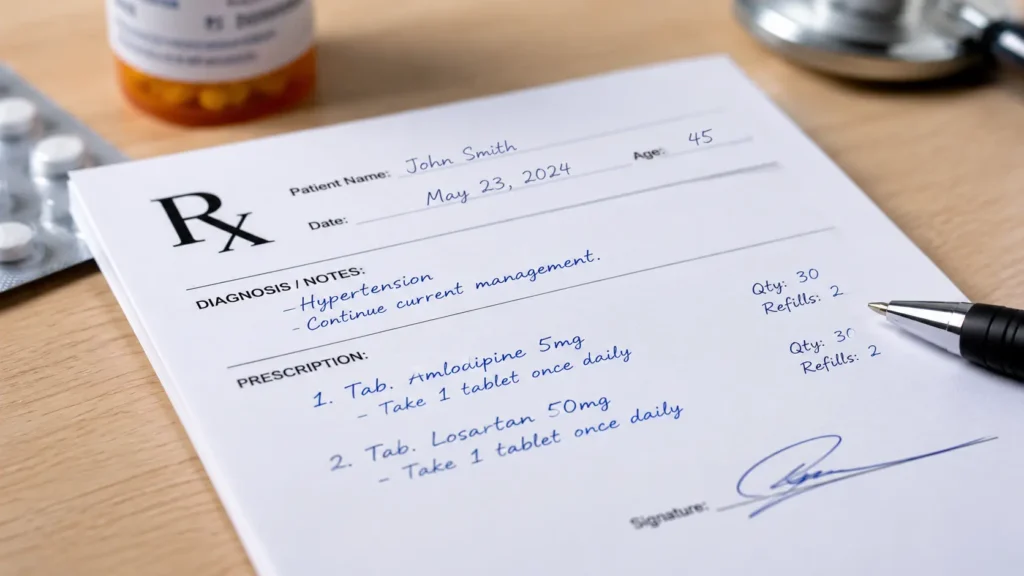
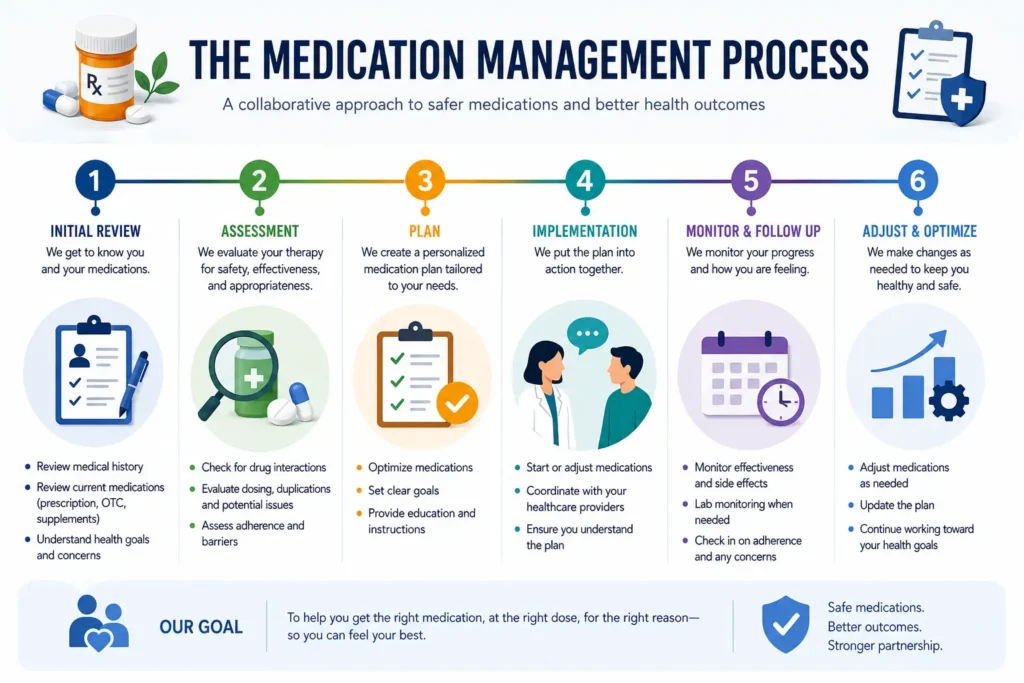
At its core, medication management in psychiatry combines clinical expertise with ongoing communication. A provider doesn’t simply write a prescription and send you on your way. The process typically includes:
- A comprehensive psychiatric evaluation to understand your symptoms and history
- Selecting a medication (or combination of medications) suited to your diagnosis
- Starting at an appropriate dose and monitoring your response
- Regular follow-up appointments to track effectiveness and side effects
- Adjusting dosage or switching medications if needed
- Ongoing coordination with any therapy or other treatment you’re receiving
Quick Tip: Think of medication management less like a single decision and more like an ongoing conversation one where your feedback directly shapes the plan.
The First Step in Medication Management in Psychiatry: A Thorough Evaluation
Effective medication management in psychiatry always begins with a comprehensive evaluation. This isn’t a quick checklist it’s a detailed look at your symptoms, medical history, family history, current medications, and how your condition is affecting daily life. This foundation ensures the treatment plan actually fits you, rather than applying a generic approach.

Starting Treatment: Finding the Right Medication
Once a diagnosis and treatment plan are established, your provider will discuss medication options, including expected benefits, possible side effects, and how long it may take to notice results. This is a collaborative decision you’re an active participant, not just a recipient of instructions.
Did You Know? Many psychiatric medications take two to six weeks to show their full effect, which is why patience and consistent follow-up are such important parts of medication management in psychiatry.
How Medication Management in Psychiatry Differs From Therapy
It’s a common misconception that medication management and therapy are the same thing, or that choosing one means ruling out the other. In reality, they serve different, complementary purposes.
| Feature | Medication Management | Therapy |
|---|---|---|
| Focus | Biological symptom regulation | Thoughts, behaviors, coping skills |
| Provider | Psychiatrist or psychiatric nurse practitioner | Licensed therapist or counselor |
| Format | Shorter, periodic check-ins | Longer, regular sessions |
| Primary tool | Prescription medication | Talk-based techniques (e.g., CBT) |
| Best used | Alongside therapy for many conditions | Alongside medication for many conditions |
Myth vs. Fact Myth: “You have to choose between medication and therapy.” Fact: For many mental health conditions, combining medication management with therapy produces better outcomes than either approach alone.
Why Medication Management in Psychiatry Requires Ongoing Follow-Up
Unlike a one-time prescription for a short-term illness, psychiatric medications often require careful, ongoing monitoring. This is a defining feature of medication management in psychiatry the plan isn’t static.
Follow-up appointments typically address:
- Whether symptoms have improved, stayed the same, or worsened
- Any side effects you’ve experienced
- Whether the current dose still feels right
- Changes in your life circumstances that might affect treatment
- Questions or concerns about your medication
Warning Sign Box: Never stop or change a psychiatric medication abruptly without consulting your provider first doing so can cause withdrawal effects or a return of symptoms. Always discuss changes during a scheduled follow-up or by contacting your provider directly.
What Happens If a Medication Isn’t Working?
It’s common for the first medication tried not to be the perfect fit this is a normal part of the process, not a failure. Your provider may adjust the dose, add a complementary medication, or switch to a different option entirely. This is exactly why ongoing medication management in psychiatry matters: it treats treatment as a process, not a single event.
The Role of Genetic Testing in Medication Management
One tool that has meaningfully changed medication management in psychiatry is pharmacogenomic testing, such as GeneSight®. This type of genetic testing analyzes how your body may metabolize certain psychiatric medications, helping providers make more informed choices from the start.
Expert Advice: Genetic testing doesn’t replace clinical judgment, but it can meaningfully reduce trial and error especially for people who’ve struggled to find an effective medication in the past.
Who Benefits From Medication Management in Psychiatry?
Medication management in psychiatry supports people across a wide range of conditions, including:
- Depression and persistent depressive disorder
- Generalized anxiety disorder and panic disorder
- ADHD in children, adolescents, and adults
- Bipolar disorder and other mood disorders
- PTSD and trauma-related conditions
- Behavioral disorders in children and teens
It’s relevant for anyone whose symptoms significantly affect daily functioning and may benefit from a combination of biological and behavioral support.
What to Expect at Your First Medication Management Appointment
Knowing what’s coming can ease a lot of first-appointment anxiety. A typical first visit includes:
- A detailed discussion of your current symptoms and history
- Review of any prior medications, including what worked and what didn’t
- Discussion of treatment goals and preferences
- A recommendation for a starting medication and dose, if appropriate
- A plan for your next follow-up appointment
Quick Tip: Bringing a list of current medications, supplements, and any past psychiatric treatment history to your first appointment helps your provider build a more accurate, personalized plan from day one.
How Often Are Medication Management Appointments Needed?
Frequency varies based on where you are in treatment. In general:
- Early treatment: Follow-ups every few weeks while finding the right medication and dose
- Stabilization: Monthly visits as symptoms improve and the plan is fine-tuned
- Maintenance: Appointments every one to three months once a stable, effective plan is established
Your provider will tailor this schedule based on your specific condition, medication, and response to treatment.
How A New Hope Psychiatric Services Approaches Medication Management in Psychiatry
At A New Hope Psychiatric Services, medication management in psychiatry is never a rushed, one-size-fits-all process. Our providers take the time to understand your full history, explain your options clearly, and adjust your plan collaboratively as your needs evolve. We combine thorough psychiatric evaluations, genetic testing when appropriate, and ongoing follow-up care to build a plan that actually fits your life.
We offer:
- Telehealth appointments available throughout Florida
- In-person appointments at our Clermont, Florida office
- Both insurance and self-pay options
- Providers currently accepting new patients for medication management

Whether you’re starting psychiatric treatment for the first time or looking for a provider who will actually listen and adjust your plan as needed, compassionate, personalized care is available.
Frequently Asked Questions
It’s the ongoing process of prescribing, monitoring, and adjusting psychiatric medications to safely and effectively manage mental health symptoms over time.
A psychiatric evaluation is typically the first, comprehensive assessment used to diagnose and build a treatment plan; medication management refers to the ongoing follow-up care that continues afterward.
No. Medication management focuses on prescribing and adjusting medication, while therapy focuses on talk-based approaches to thoughts, behaviors, and coping strategies. Many people benefit from both.
Frequency varies, from every few weeks in early treatment to every one to three months once a stable plan is established.
Your provider may adjust your dose, add another medication, or switch to a different one. Finding the right fit is often a gradual process.
GeneSight® is a genetic test that helps providers understand how your body may metabolize certain psychiatric medications, supporting more personalized prescribing decisions.
Psychiatrists and psychiatric nurse practitioners are typically the providers who offer medication management services.
Yes, and for many conditions, combining the two produces better outcomes than either approach alone.
Many medications take two to six weeks to show their full effect, which is why consistent follow-up is an important part of the process.
It’s commonly used for depression, anxiety, ADHD, bipolar disorder, PTSD, and other mood or behavioral conditions.
No. Stopping or changing a psychiatric medication abruptly without medical guidance can cause withdrawal effects or a return of symptoms.
A list of current medications, supplements, and any past psychiatric treatment history helps your provider build an accurate, personalized plan.
Yes, telehealth medication management is available throughout Florida for both initial evaluations and ongoing follow-up.
Many insurance plans cover psychiatric medication management; A New Hope accepts both insurance and self-pay patients.
Yes, medication management is available for children, adolescents, and adults, tailored to age-appropriate treatment approaches.
Follow-up appointments are often shorter than the initial evaluation, though the exact length can vary based on your needs at each visit.
Report any side effects to your provider, who can adjust your dose or medication as part of your ongoing medication management plan.
Through thorough evaluations, genetic testing when appropriate, and ongoing, collaborative follow-up care, available via telehealth throughout Florida or in-person in Clermont.
Yes, providers can review your medication history, consider genetic testing, and explore other options suited to your specific response patterns.
Yes, our providers are currently accepting new patients for medication management, available via telehealth throughout Florida and in-person in Clermont.