

You forget appointments you swore you’d remember. Starting five projects and finish none of them. You feel restless even when you’re sitting still, and somehow every day feels like you’re catching up on yesterday. If this sounds familiar, you might be dealing with adult ADHD and you’re far from alone.
For decades, ADHD was seen as a childhood condition, something kids “grew out of.” We now know that isn’t true. Millions of adults live with ADHD symptoms that were never caught, misdiagnosed, or dismissed as stress, laziness, or personality quirks. Adult ADHD doesn’t always look like the hyperactive kid bouncing off classroom walls. In adults, it often hides in plain sight.
This article walks through the signs of ADHD that are commonly missed, why they’re overlooked, and what real treatment can look like including how A New Hope Psychiatric Services supports adults across Florida through both in-person and telehealth psychiatric care.
What Is Adult ADHD, Really?
ADHD is a brain-based condition that affects attention, impulse control, and executive functioning the mental skills we use to plan, organize, and follow through. It isn’t a character flaw. It isn’t about trying harder. ADHD is a legitimate medical condition that shapes how the brain processes information, prioritizes tasks, and regulates emotion.
Most adults with ADHD had symptoms as children, even if no one noticed. Girls, high-achievers, and quiet or “daydreamy” kids are especially likely to be missed, since the stereotype of hyperactive boys dominated early ADHD research. That means many adults spend years sometimes decades wondering why everyday life feels so much harder for them than it seems to for everyone else.
Why ADHD Gets Missed So Often
ADHD doesn’t always announce itself the way it does in children. There’s no teacher sending home notes about disruptive behavior. Instead, the signs blend into daily life, work stress, or personality.
Here’s why so many cases go unnoticed:
- Symptoms look like normal adult stress. Forgetfulness, disorganization, and procrastination are common enough that they don’t automatically raise a red flag.
- Coping mechanisms mask the struggle. Many adults build elaborate systems endless to-do lists, constant reminders just to function, which can hide the underlying condition.
- Co-occurring conditions confuse the picture. Anxiety and depression frequently overlap with adult ADHD, and providers may treat one without recognizing the other.
- Gender bias in diagnosis. ADHD in women is especially underdiagnosed, since symptoms often present as inattentiveness rather than hyperactivity.
Did You Know? Studies suggest that more than half of adults with ADHD were never diagnosed as children, meaning they’ve spent years managing symptoms without knowing why.
Signs of Adult ADHD You May Have Missed
Let’s get specific. ADHD doesn’t always look dramatic. Sometimes it looks like everyday struggles that quietly pile up.
1. Chronic Disorganization
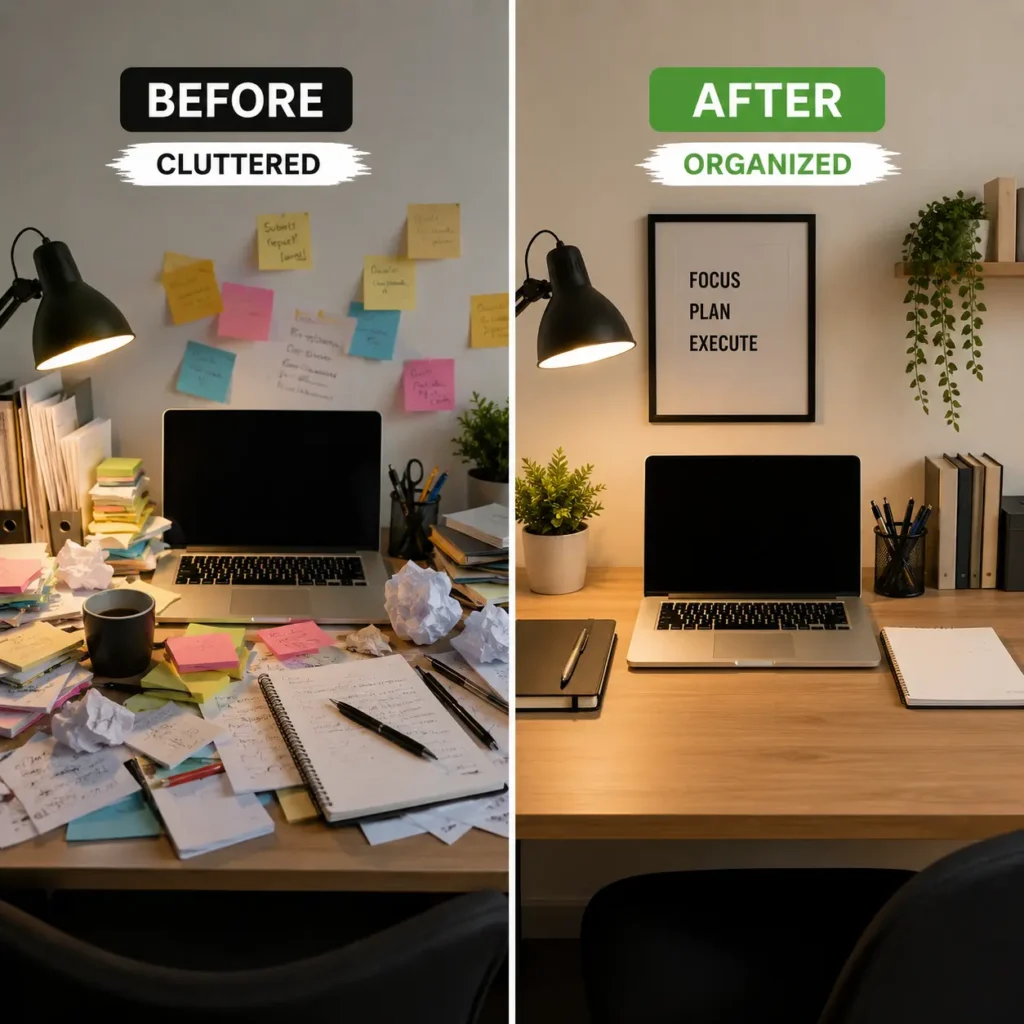
Piles of paper. Overflowing inboxes. A car that looks like a storage unit. For someone with ADHD, disorganization isn’t a phase it’s a constant, exhausting battle against clutter that never seems to stay contained.
2. Time Blindness
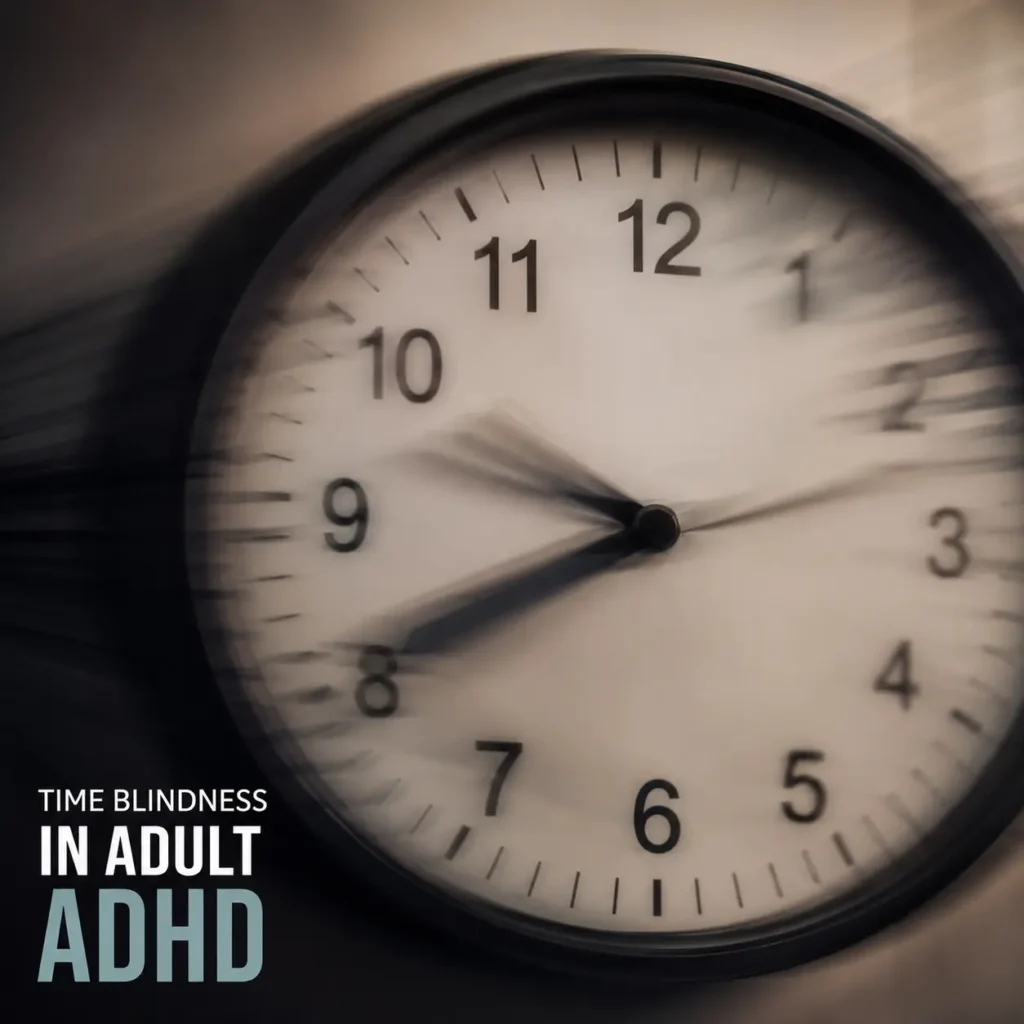
Ever look up and realize three hours vanished? Or show up fifteen minutes late despite leaving what felt like plenty of time? This is often called “time blindness,” and it’s one of the most underrecognized signs of adult ADHD.
3. Difficulty Finishing Tasks
Starting is easy. Finishing is the hard part. Adults with ADHD often juggle multiple half-completed projects, not from lack of interest, but because sustaining focus to the finish line is genuinely difficult.
4. Emotional Overwhelm
Adult ADHD isn’t only about attention it’s also about emotional regulation. Small frustrations can feel enormous. Criticism can sting far more than it “should.” This emotional intensity is a real, documented part of ADHD.
5. Restlessness Without Hyperactivity
Adult hyperactivity rarely looks like a child bouncing around a room. Instead, it might feel like an inner restlessness a racing mind, fidgeting hands, or an inability to relax even during downtime.
6. Relationship Struggles
Forgetting important dates, zoning out mid-conversation, or reacting impulsively during disagreements can strain relationships. Partners and family members may misread these patterns as not caring, when ADHD is often the real culprit.
7. Career Setbacks
Missed deadlines, disorganized workflows, and difficulty prioritizing can hold back even highly intelligent, capable professionals. Many adults with ADHD describe feeling like they’re always “underperforming” relative to their potential.
8. Hyperfocus
Counterintuitively, adult ADHD can also cause intense focus but usually on things that are interesting, not necessarily important. Hours can disappear into a hobby while bills go unpaid.
9. Sleep Struggles
Racing thoughts at bedtime, difficulty winding down, and irregular sleep schedules are common companions of ADHD, often compounding the daytime fatigue and lack of focus.
10. Low Self-Esteem
Years of being told you’re “not trying hard enough” can take a toll. Many adults with undiagnosed ADHD carry quiet shame about struggles that were never truly within their control.
Quick Tip: If several of these signs sound familiar and have lasted since childhood, it may be worth scheduling a psychiatric evaluation to explore whether adult ADHD is part of the picture.
Myth vs. Fact: Adult ADHD
| Myth | Fact |
|---|---|
| ADHD is just an excuse for laziness | ADHD is a recognized medical condition involving brain-based differences in executive function |
| Only kids have ADHD | ADHD is common, and many adults are diagnosed later in life |
| ADHD means you can’t focus on anything | Adults with ADHD can hyperfocus intensely on interesting tasks |
| Medication is the only treatment | ADHD treatment often combines medication, therapy, and lifestyle strategies |
| ADHD only affects men | ADHD affects women just as often, though it is diagnosed less frequently |
Who Is Affected by ADHD?
ADHD touches people from every background and profession parents, students, executives, teachers, and retirees alike. It doesn’t discriminate based on intelligence or work ethic. In fact, many adults with ADHD are highly capable, creative problem-solvers who have simply never had the right support in place.
Certain groups are more likely to be missed:
- Women, whose symptoms often present as inattentiveness rather than hyperactivity
- High-achievers, who mask symptoms through overcompensation and perfectionism
- Adults with co-occurring anxiety or depression, whose ADHD symptoms get overshadowed
- Parents, who may only notice their own patterns after a child is diagnosed
Risk Factors for ADHD
While no single cause explains ADHD, several risk factors are well documented:
- Family history of ADHD or other neurodevelopmental conditions
- Premature birth or low birth weight
- Exposure to certain environmental toxins during early development
- Significant stress or trauma during childhood, which can amplify symptoms
Understanding these risk factors doesn’t diagnose adult ADHD on its own, but it can help a psychiatric provider build a fuller picture during an evaluation.
Why a Proper Diagnosis Matters
Living with undiagnosed ADHD often means living with unnecessary self-blame. Getting a clear diagnosis can be genuinely life-changing not because a label fixes everything, but because it reframes the story. Instead of “I’m just bad at this,” it becomes “my brain works differently, and there are ways to support it.”
A proper psychiatric evaluation also rules out or identifies co-occurring conditions like anxiety, depression, or mood disorders, which frequently travel alongside ADHD and can complicate treatment if left unaddressed.
Treatment Options for ADHD
The good news: ADHD is highly treatable. Most people see meaningful improvement with the right combination of care.
Psychiatric Evaluations
A comprehensive psychiatric evaluation is the starting point. This includes a detailed review of symptoms, history, and how they impact daily functioning, allowing a provider to confirm a diagnosis and rule out overlapping conditions.
Medication Management
For many adults, medication management plays a central role in treatment. Stimulant and non-stimulant medications can meaningfully improve focus, impulse control, and emotional regulation when properly monitored.
Genetic Testing (GeneSight®)
Not everyone responds to medication the same way. GeneSight® genetic testing can help identify how your body is likely to metabolize certain medications, supporting a more personalized, informed approach to treatment.
Individual Therapy
Individual therapy helps adults build practical strategies for organization, time management, and emotional regulation, while also addressing the self-esteem impact of years spent without a diagnosis.
Group Therapy
Group therapy offers connection with others navigating similar struggles, reducing the isolation that often comes with adult ADHD and reinforcing coping strategies in a supportive setting.
Telehealth Psychiatry
Telehealth makes adult ADHD care accessible no matter where you live in Florida, allowing evaluations, medication management, and therapy sessions from the comfort of home.
Expert Advice: Treatment for ADHD works best when it’s personalized. What helps one adult manage symptoms may not work for another, which is why an individualized treatment plan matters so much.
A Day in the Life of ADHD
Picture Sarah, a 34-year-old marketing coordinator. Her alarm goes off, but she snoozes it three times, not out of laziness, but because getting her brain moving in the morning feels like pushing a stalled car. She arrives at work twelve minutes late, again, and spends the first hour of her day re-reading the same email because her mind keeps drifting.
By lunch, her desk is buried under sticky notes reminding her of tasks she already forgot she wrote down. She skips lunch entirely because she loses track of time mid-project. At home, she snaps at her partner over something small, then spends the evening replaying the moment, wondering why she reacted so strongly.
Sarah isn’t lazy, careless, or overly emotional. She has adult ADHD and until she sought an evaluation, she assumed this exhausting daily pattern was simply “who she was.” Stories like Sarah’s play out across Florida every day, in offices, classrooms, and homes, often without anyone realizing that ADHD is the common thread.
ADHD and Co-Occurring Conditions
ADHD rarely travels alone. Many adults living with ADHD also experience anxiety, depression, or mood disorders, and untangling which symptoms belong to which condition can be genuinely difficult without professional support.
- Anxiety and Adult ADHD: The constant fear of forgetting something important, missing a deadline, or letting someone down can create chronic anxiety layered on top of ADHD.
- Depression and ADHD: Years of feeling “not good enough” or falling short of expectations can contribute to low mood, hopelessness, and depression.
- Sleep Disorders and Adult ADHD: Racing thoughts and irregular routines linked to ADHD frequently disrupt healthy sleep patterns, which in turn worsens focus and emotional regulation.
- Substance Use and Adult ADHD: Some adults unknowingly self-medicate restlessness or emotional overwhelm, which is why a comprehensive psychiatric evaluation matters so much.
Because these conditions overlap so heavily, an accurate diagnosis requires a provider who understands how adult ADHD interacts with mental health as a whole not just an isolated checklist of symptoms.
Adult ADHD in Women: An Often-Missed Picture
ADHD in women deserves its own spotlight, because it’s one of the most underdiagnosed patterns in psychiatric care. Where boys with ADHD are often identified early due to visible hyperactivity, girls and women are more likely to internalize their symptoms.
Instead of bouncing off the walls, a woman with ADHD might appear quietly overwhelmed, perfectionistic, or anxious. She may excel outwardly while privately feeling like she’s barely holding everything together through sheer willpower and late nights. Hormonal shifts including those tied to menstrual cycles, pregnancy, and menopause can also intensify ADHD symptoms, adding another layer of complexity that’s frequently overlooked in general checkups.
How Adult ADHD Is Evaluated
Wondering what an evaluation for ADHD actually looks like? Here’s a general overview of the process:

- Initial Consultation: A discussion of your current struggles, when they started, and how they affect your daily life.
- Symptom History Review: A look back at childhood behavior patterns, since adult ADHD symptoms typically trace back to early years, even if undiagnosed at the time.
- Standardized Questionnaires: Structured tools that help measure the frequency and severity of ADHD-related symptoms.
- Rule-Out Assessment: A review to distinguish adult ADHD from overlapping conditions like anxiety, depression, or thyroid-related issues.
- Personalized Treatment Plan: Once a diagnosis is confirmed, your provider builds a plan suited to your specific needs, whether that includes medication management, therapy, or both.
Warning Sign: If ADHD-like symptoms appeared suddenly in adulthood with no childhood history, it’s worth exploring other explanations with a provider, since new-onset attention problems can sometimes point to other medical or mental health issues.
Comparing Adult ADHD Treatment Approaches
| Treatment Option | Best For | What to Expect |
|---|---|---|
| Medication Management | Adults needing symptom relief for focus and impulse control | Ongoing monitoring and dosage adjustments with a psychiatric provider |
| Individual Therapy | Building coping skills and addressing self-esteem | Weekly or biweekly sessions focused on personal strategies |
| Group Therapy | Adults who benefit from shared experiences | Structured sessions with peers navigating similar challenges |
| GeneSight® Testing | Adults with prior medication side effects or uncertainty | A simple genetic test guiding more personalized medication choices |
| Telehealth Psychiatry | Adults with busy schedules or limited local access | Virtual evaluations and follow-ups from home, anywhere in Florida |
Lifestyle Strategies That Support Treatment
While professional care is essential, small daily habits can reinforce progress:
- Use external systems (calendars, alarms, apps) instead of relying on memory alone
- Break large tasks into smaller, specific steps
- Build in movement breaks throughout the day
- Protect consistent sleep and wake times
- Reduce unnecessary decision fatigue by simplifying routines
These strategies aren’t a replacement for professional treatment, but they can meaningfully support the progress made through therapy and medication management.
How A New Hope Psychiatric Services Helps

At A New Hope Psychiatric Services, we understand how exhausting it is to carry undiagnosed adult ADHD for years, sometimes without knowing why life has felt so much harder than it should. Our team provides compassionate, evidence-based psychiatric evaluations, medication management, and therapy tailored specifically to adults navigating ADHD.
We proudly serve patients from our main office in Clermont, Florida, along with telehealth appointments available throughout the state, so quality adult ADHD care is never out of reach. Whether you prefer in-person visits or the flexibility of virtual therapy, we meet you where you are.
We currently accept both insurance and self-pay patients, and our therapists and psychiatric providers are actively accepting new patients who are ready to better understand their adult ADHD and build a personalized path forward.
Frequently Asked Questions
It’s the same underlying condition, but adult ADHD often presents differently, with fewer visible hyperactive behaviors and more internal restlessness, disorganization, and emotional struggles.
There’s no cure, but adult ADHD can be effectively managed with the right combination of psychiatric care, therapy, and lifestyle strategies.
Some improvements from medication management can appear within weeks, while therapy-based strategies typically build over several months of consistent work.
Yes, A New Hope Psychiatric Services offers telehealth evaluations throughout Florida, making adult ADHD assessments accessible no matter your location.
It helps to bring a general history of your symptoms, when they started, and examples of how they affect your work, relationships, or daily routine.
Adult ADHD and Aging: What to Expect Over Time
A common question is whether ADHD changes as people get older. The honest answer is that it can shift rather than simply fade. Hyperactivity, if present earlier in life, often mellows into internal restlessness. Meanwhile, executive function challenges planning, prioritizing, remembering can become more noticeable as adult responsibilities pile up: careers, parenting, finances, and aging parents all demand the very skills that adult ADHD makes harder to access.
This is one reason so many adults seek an evaluation in their thirties, forties, or even later. It isn’t that ADHD appeared out of nowhere; it’s that life simply asked more of an already-strained system. Recognizing this pattern is often a relief rather than a burden, because it reframes decades of struggle as something explainable and, importantly, treatable.
A Final Word
If you’ve read this far nodding along, that alone says something. ADHD is real, treatable, and far more common than most people realize. You don’t have to keep white-knuckling your way through disorganization, forgetfulness, and emotional overwhelm alone. With the right evaluation, the right treatment plan, and the right support system, adult ADHD becomes something you manage not something that manages you. Understanding your brain is the first step toward working with it instead of constantly fighting against it, and that shift alone can genuinely change how the rest of your life feels, day in and day out.